



How to Choose a Website Development Company in Florida

October 9, 2026

Share this article

A website development company in Florida should combine relevant experience, clear communication, secure technology, search readiness, and dependable support. The best choice is not necessarily the largest agency or lowest-priced provider; it is the team that understands your business goals, explains trade-offs clearly, and can maintain the website after launch.

Florida business owner discussing website plans with a developer

What should you look for in a Florida website development company?

Start by evaluating whether the company can solve your business problem, not just build attractive pages. A strong partner should be able to explain how the website will help customers find you, understand your offer, contact you, book an appointment, buy a product, or complete another important action.

Use these criteria when comparing providers:

  • Florida market knowledge: Does the team understand local service areas, customer expectations, seasonal demand, and location-based search?
  • Relevant experience: Has it worked with businesses similar to yours or solved comparable technical problems?
  • Technical fit: Can it recommend the right CMS, e-commerce platform, custom development approach, or integrations?
  • Long-term reliability: Will it provide training, maintenance, security updates, and practical support after launch?
  • Clear communication: Can you reach the people responsible for planning, development, and troubleshooting?

A local Florida web developer may offer useful context about your market, while a remote agency may bring broader specialized resources. Neither option is automatically better. Compare the actual process, capabilities, availability, and fit for your business.

Portfolio and relevant experience

A portfolio should show more than visual style. Look for examples that reveal how the company handles navigation, mobile layouts, calls to action, forms, product pages, booking flows, and content organization.

Ask to see work relevant to your needs, such as:

  • Service-business websites with lead forms or appointment booking
  • E-commerce stores with product catalogs and payment integrations
  • Content-managed websites your team can update without a developer
  • Custom applications or dashboards connected to business systems
  • Websites designed for local search and multiple service areas

Ask what role the company played in each example. A portfolio item may reflect design only, while another may include strategy, copy, development, SEO, analytics, and ongoing maintenance. Understanding that distinction helps you compare experience fairly.

Can the company support your technical requirements?

Website projects vary considerably. A brochure website, online store, customer portal, and custom web application should not be planned in the same way.

Before requesting a proposal, list the functions you need now and may need later. These might include:

  • A CMS such as Duda, Wix, WordPress, or another suitable platform
  • Shopify or Wix e-commerce features
  • CRM, email marketing, payment, scheduling, or analytics integrations
  • Custom calculators, dashboards, forms, member areas, or mobile applications
  • Multilingual content, location pages, or connections to internal tools

A capable website development company should explain which requirements can be handled with existing tools and which may require custom work. It should also identify limitations, subscription costs, data ownership questions, and future maintenance needs instead of promising that every feature is simple.

SEO and AI search readiness

A modern website should be understandable to people, search engines, and answer engines. Ask how the provider will establish a logical site structure, descriptive page titles, useful headings, internal links, fast-loading pages, mobile usability, and accurate business information.

For AI search and featured-answer visibility, useful foundations include:

  • Direct answers to common customer questions
  • Clear service descriptions and location context
  • Structured, scannable content with descriptive headings
  • Consistent organization, contact, and business details
  • Technical accessibility for search crawlers and assistive technologies
  • Measurement through appropriate analytics and search tools

SEO and AEO are not one-time settings, and no responsible provider can guarantee rankings, traffic, leads, or inclusion in an AI answer. Ask what will be delivered at launch, what will be monitored afterward, and who will be responsible for updating content.

For a broader view of digital services that can support a growing company, review Digital Solutions for Growing Businesses .

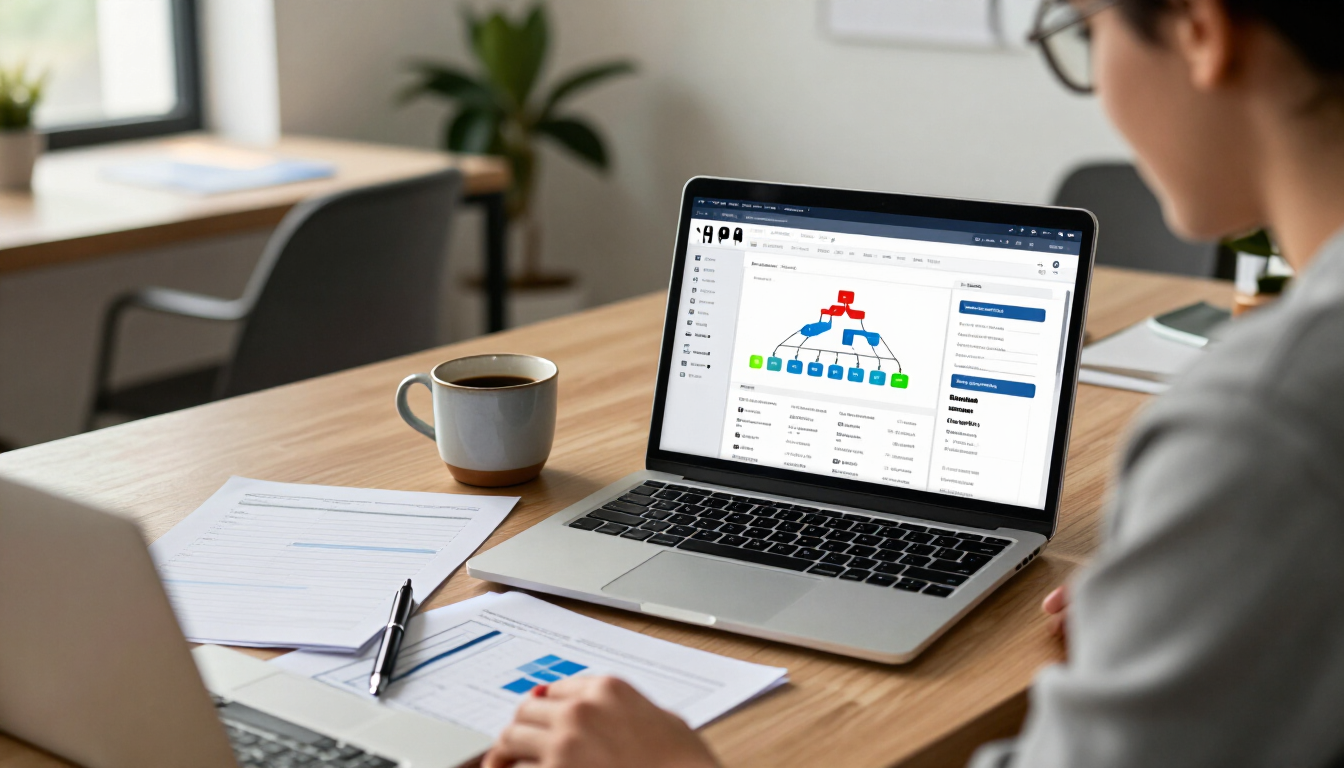
Developer reviewing SEO structure and website content on a laptop

How should website development pricing be compared?

Avoid comparing proposals by total price alone. A lower quote may exclude copywriting, accessibility work, integrations, testing, hosting, training, or post-launch support. A higher quote may include services you do not need yet.

Request an itemized proposal covering:

  • Discovery, planning, sitemap, and content requirements
  • Design, development, revisions, and testing
  • Hosting, domains, licenses, subscriptions, and third-party fees
  • SEO setup, analytics, redirects, and content migration
  • Launch assistance, training, maintenance, and support rates

Ask when payments are due, what happens if the scope changes, and who owns the website, domain, content, design files, and customer data. A transparent provider should explain assumptions and exclusions in plain language.

Timeline, process, and communication

A dependable process reduces surprises. Ask the company to describe each stage, who approves decisions, and what it needs from you to keep the project moving.

A typical process may include:

  1. Discovery and business-goal planning
  2. Sitemap, content planning, and technical recommendations
  3. Wireframes or design direction
  4. Development and content entry
  5. Mobile, browser, form, accessibility, and security testing
  6. Review, training, launch, and post-launch monitoring

Ask how revisions are handled, where feedback is recorded, how often you receive updates, and who your main contact will be. Good communication is especially important for owners who do not work with websites every day.

Accessibility, security, and ongoing support

Accessibility and security should be part of the build, not last-minute additions. Ask how the team approaches readable content, keyboard navigation, color contrast, image alternatives, form labels, permissions, backups, software updates, and secure connections.

Also clarify what happens after launch. Support may include technical fixes, content updates, platform maintenance, performance checks, security monitoring, or a separate hourly service. Find out response expectations, pricing, and whether the team can help when your business changes.

If your plans include repetitive customer communication or lead handling, compare website work with related AI automation services . The right solution may connect your website to follow-up systems rather than treating the website as a standalone project.

Questions to ask before signing

Use these questions during discovery calls:

  1. What similar business or technical projects have you completed?
  2. Which platform do you recommend, and why is it appropriate for my goals?
  3. What is included in the proposal, and what is excluded?
  4. Who owns the domain, website files, content, accounts, and data?
  5. How will you prepare the site for SEO, local search, and AI-generated answers?
  6. How will accessibility, security, backups, and testing be handled?
  7. What information and decisions will you need from me?
  8. What is the expected timeline, and what could delay it?
  9. What support and maintenance options are available after launch?
  10. How do you communicate progress, revisions, and scope changes?

Do not hesitate to ask for plain-language explanations. A good partner should welcome informed questions rather than pressure you to approve a proposal you do not understand.

Small business owner checking a website launch checklist

Florida website development company checklist

Before choosing a provider, confirm that you can answer “yes” to most of these points:

  • The company understands your audience, service area, and business goals.
  • Its portfolio demonstrates relevant functionality, not only attractive visuals.
  • The recommended technology fits your budget, skills, and growth plans.
  • The proposal explains scope, ownership, costs, milestones, and exclusions.
  • SEO, AI search readiness, accessibility, security, and testing are addressed.
  • Communication, training, maintenance, and post-launch support are clear.

Make a confident choice

Choosing a website development company in Florida comes down to fit, transparency, and long-term usefulness. Compare providers by their understanding of your market, relevant portfolio, technical recommendations, SEO and AEO practices, pricing details, process, security, accessibility, support, and communication—not by appearance or price alone. Start with your business goals and required features, then use the checklist and questions above during consultations. Request a written proposal from the strongest candidates, compare what each includes, and choose the partner that explains its work clearly and can support the website after launch. If you are ready to discuss your options, contact Arthur’s Creatives for a practical conversation.

Recent Posts

Small business owner comparing a Tampa mobile app development company
October 9, 2026
Compare Tampa mobile app developers with offshore teams, evaluate costs, support, ownership, rankings, timelines, and choose the right small-business partner.

Mobile app development companies in Tampa helping a small business review an app prototype
October 9, 2026
Learn how to evaluate mobile app development companies in Tampa, compare local and national firms, choose native or cross-platform development, estimate pricing and timelines, and avoid common hiring mistakes.

Tampa digital marketing agency strategy meeting for a small business
October 9, 2026
Why hire a local Tampa digital marketing agency for custom web and mobile app development? Compare local support with outsourcing and learn what to look for.
AI automation for Tampa businesses with an AI voice agent and CRM workflow
October 9, 2026
Learn how Tampa businesses can use AI voice agents, lead qualification, CRM, and n8n automation to reduce missed opportunities and measure growth.

Small business owner comparing automation agencies
October 9, 2026
Learn what automation agencies do, compare agency types, evaluate pricing and fit, spot red flags, and choose the right partner for your small business.

Local vs national web design agencies comparison for small businesses
October 9, 2026
Compare local vs national web design agencies on cost, communication, expertise, speed, scalability, support, and outsourcing before you hire.

Agency project management team planning a website workflow
October 9, 2026
Learn agency project management with clear team roles, workflows, client communication, approvals, feedback, and scope-change strategies for small digital agencies.

Agency project management team planning a web project
October 9, 2026
Learn agency project management best practices for clear roles, smoother workflows, better client collaboration, and more reliable web projects.

AI automation solutions for small businesses on a laptop
October 7, 2026
Learn how AI automation solutions for small businesses streamline repetitive work, improve customer follow-up, and connect everyday tools without adding technical staff.

Person working on a laptop at a desk beside a notebook and coffee cup in a bright room
September 30, 2026
Get tips on choosing the right tech for your small business. Contact us for expert guidance today!